Delhi, Agra and Jaipur
The Golden Triangle
Heritage · First visit
7 nights

Destinations
Forts, palaces and desert landscapes with real scale.
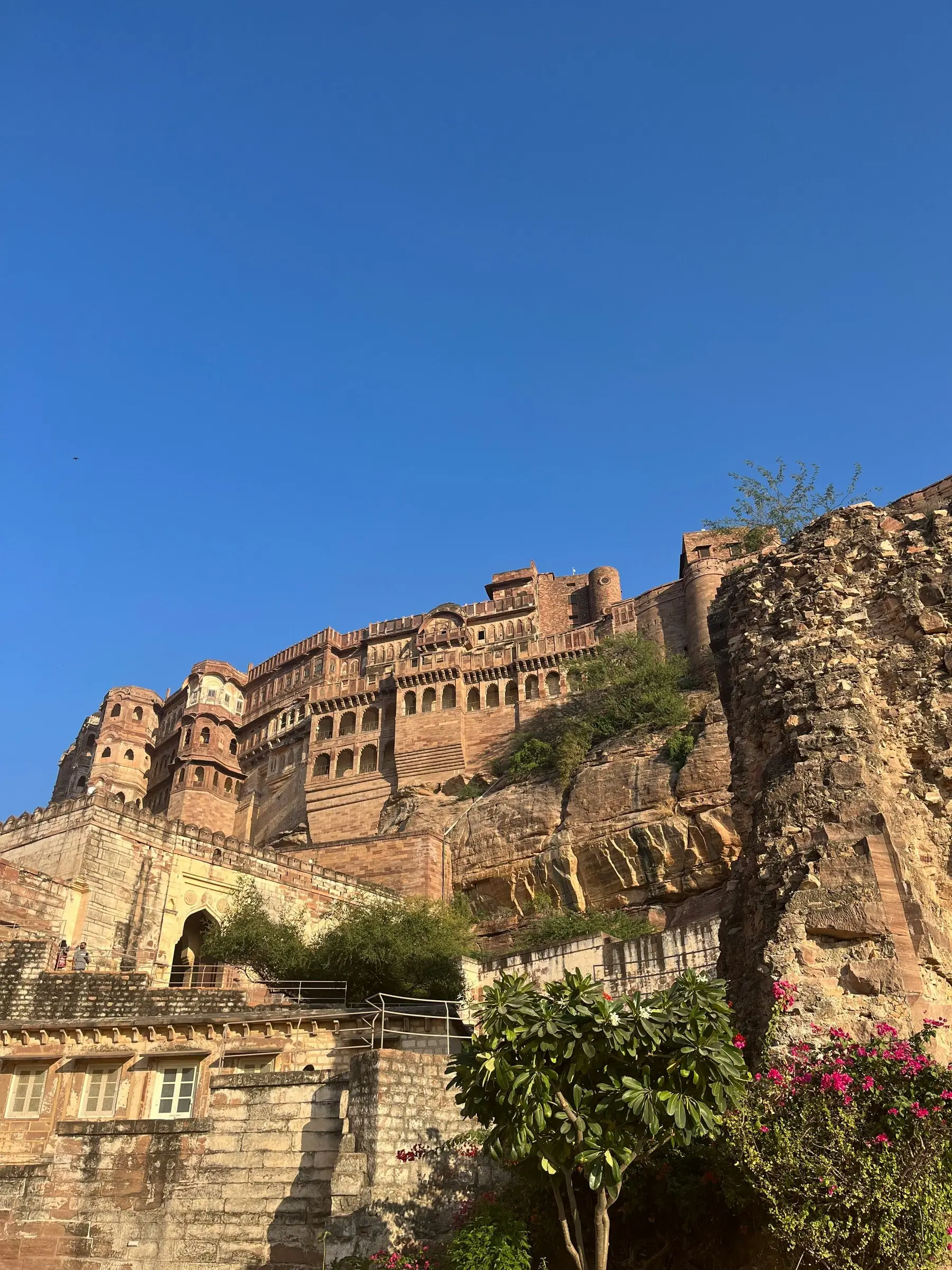
Rajasthan is where most first-time visitors picture India: Jaipur's palaces, Udaipur's lakes, Jodhpur's blue old town and the Thar desert beyond. It's a region that photographs well and delivers in person too.
We plan routes that avoid over-touristed stretches at peak times, and can arrange private access to properties and sites that aren't open to general visitors.
The name
Rajasthan means "the land of kings", from raja (king) and sthan (place). For centuries it was a patchwork of kingdoms ruled by Rajput clans, from Mewar and Marwar to Amber and Bikaner, and under British rule it was called Rajputana. The modern name was popularised by Colonel James Tod's Annals and Antiquities of Rajasthan in 1829, and became official when the princely states were merged after independence.
Places
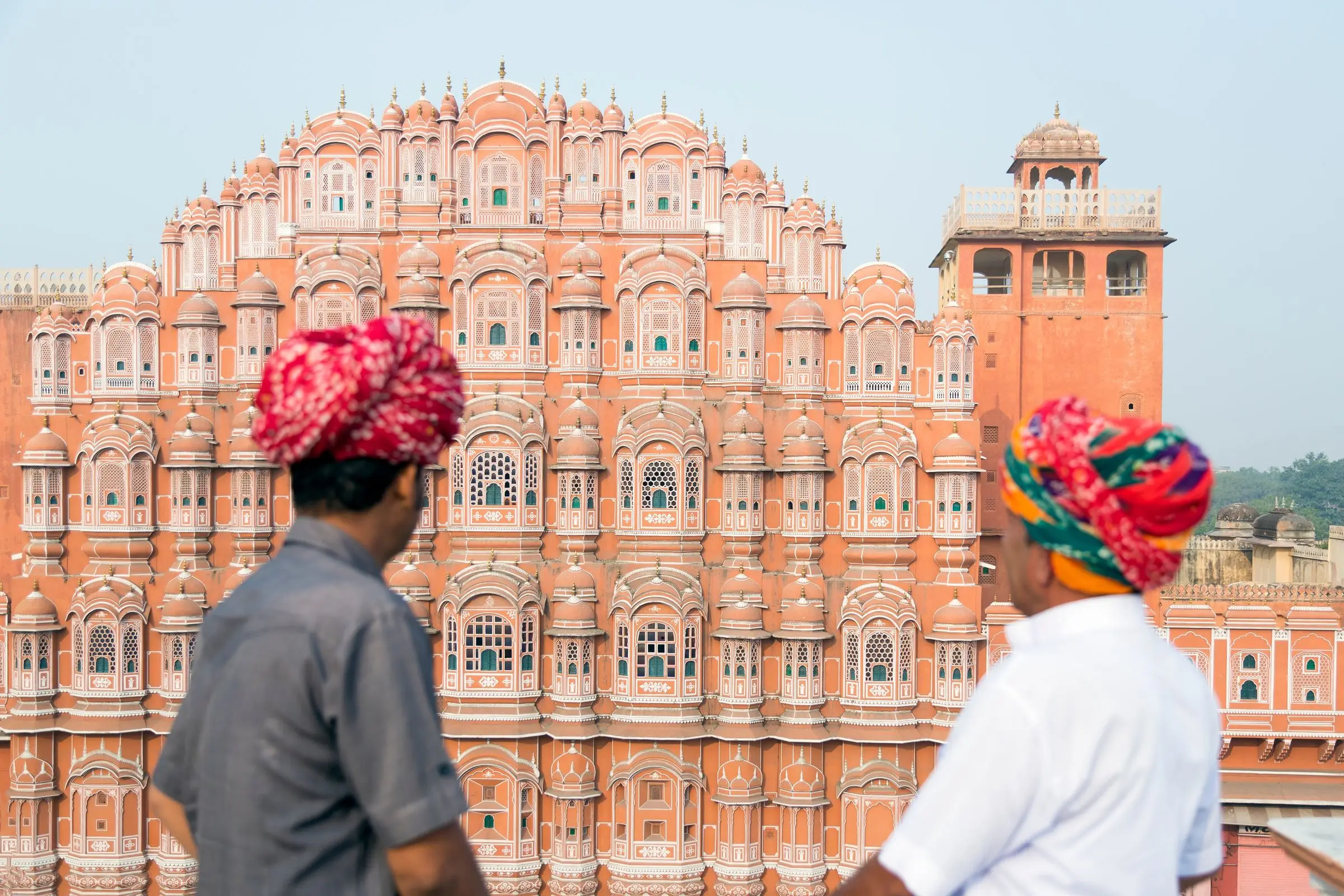
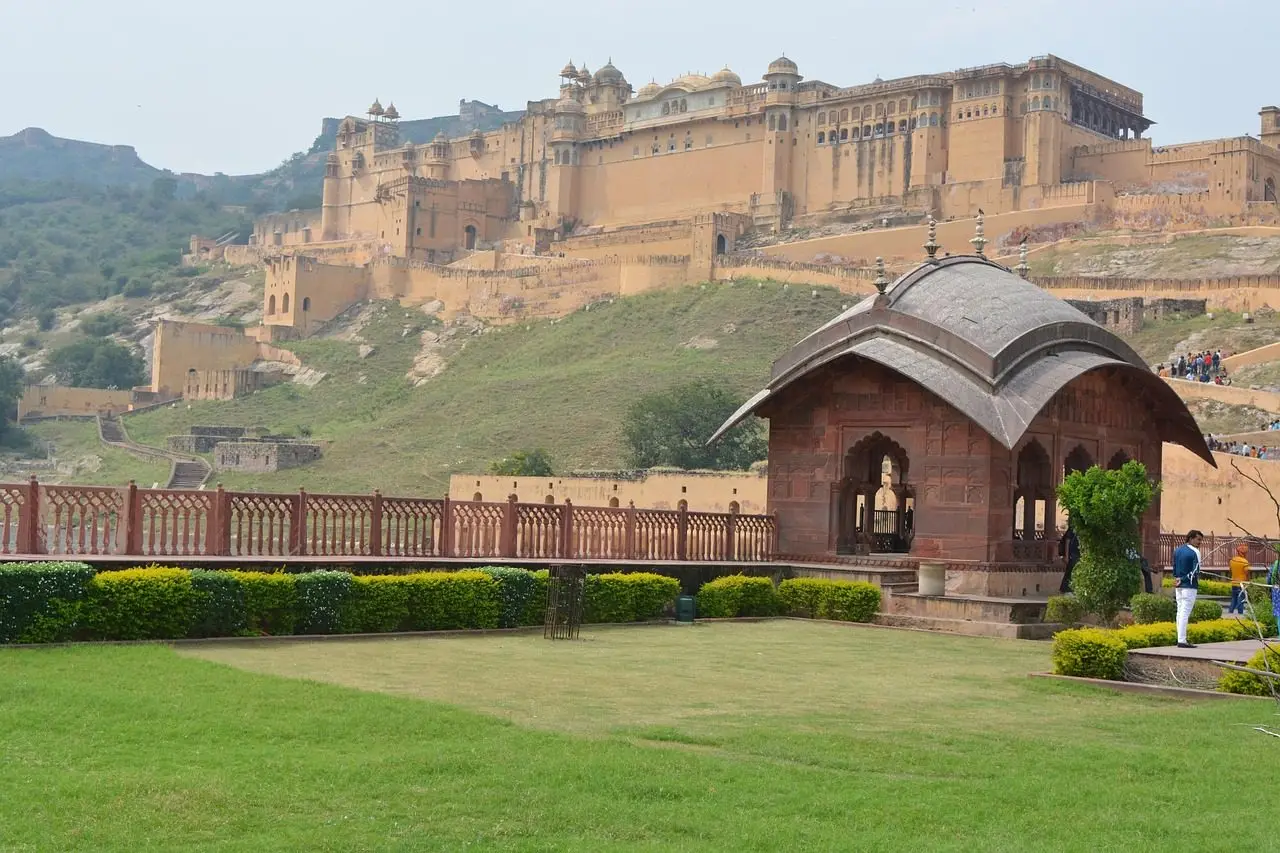
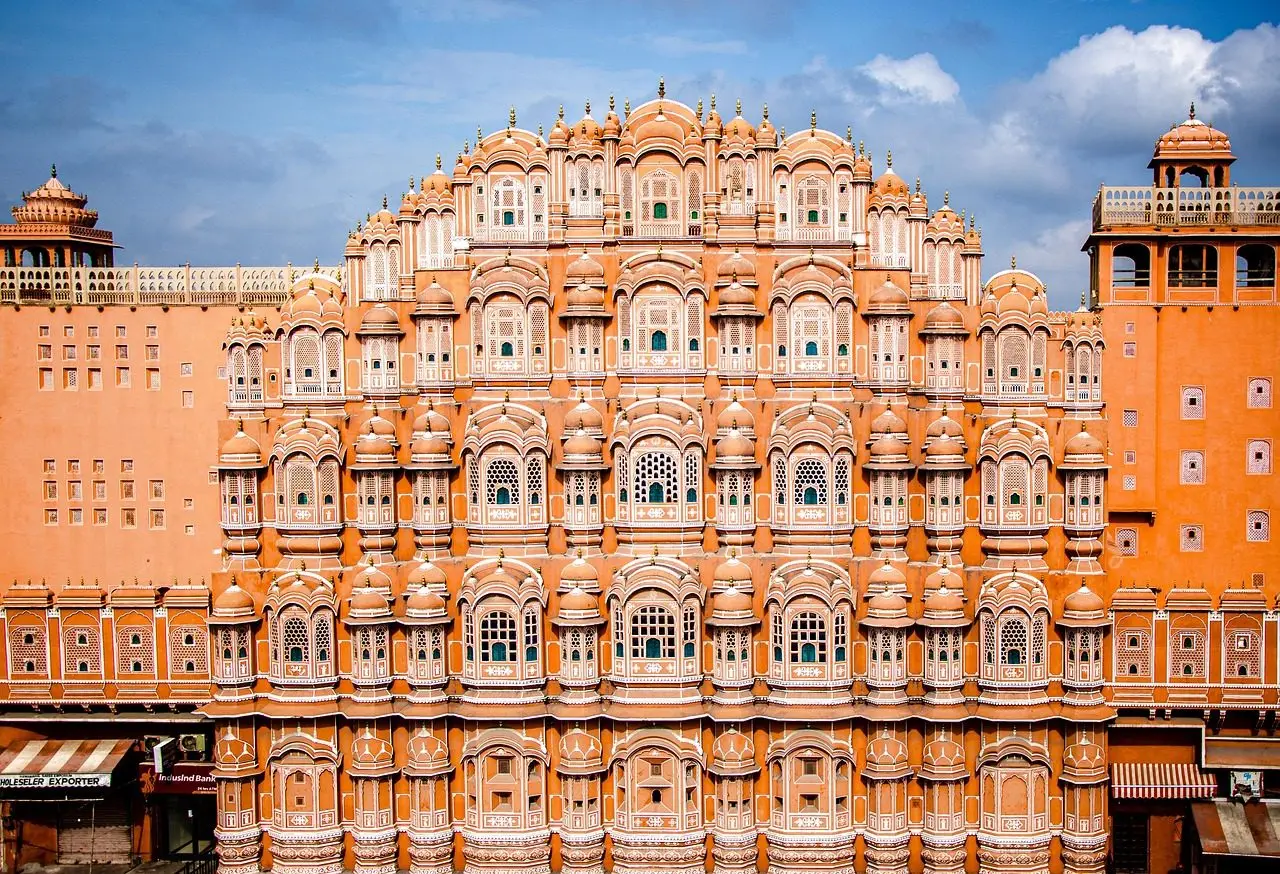
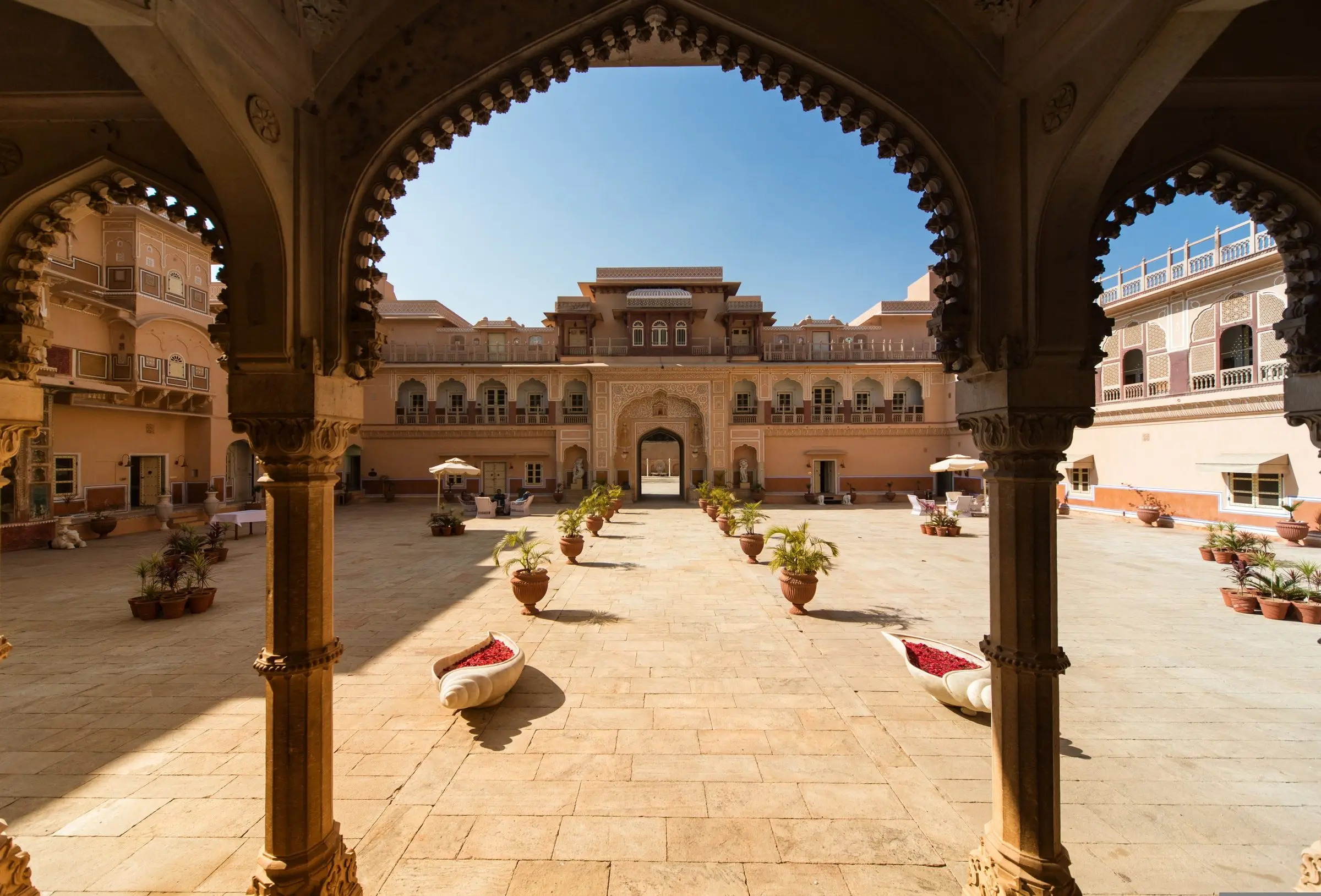
The Pink City, laid out in 1727 as one of India's first planned cities and painted pink to welcome the Prince of Wales in 1876. Amber Fort, the City Palace, Hawa Mahal and the Jantar Mantar observatory.
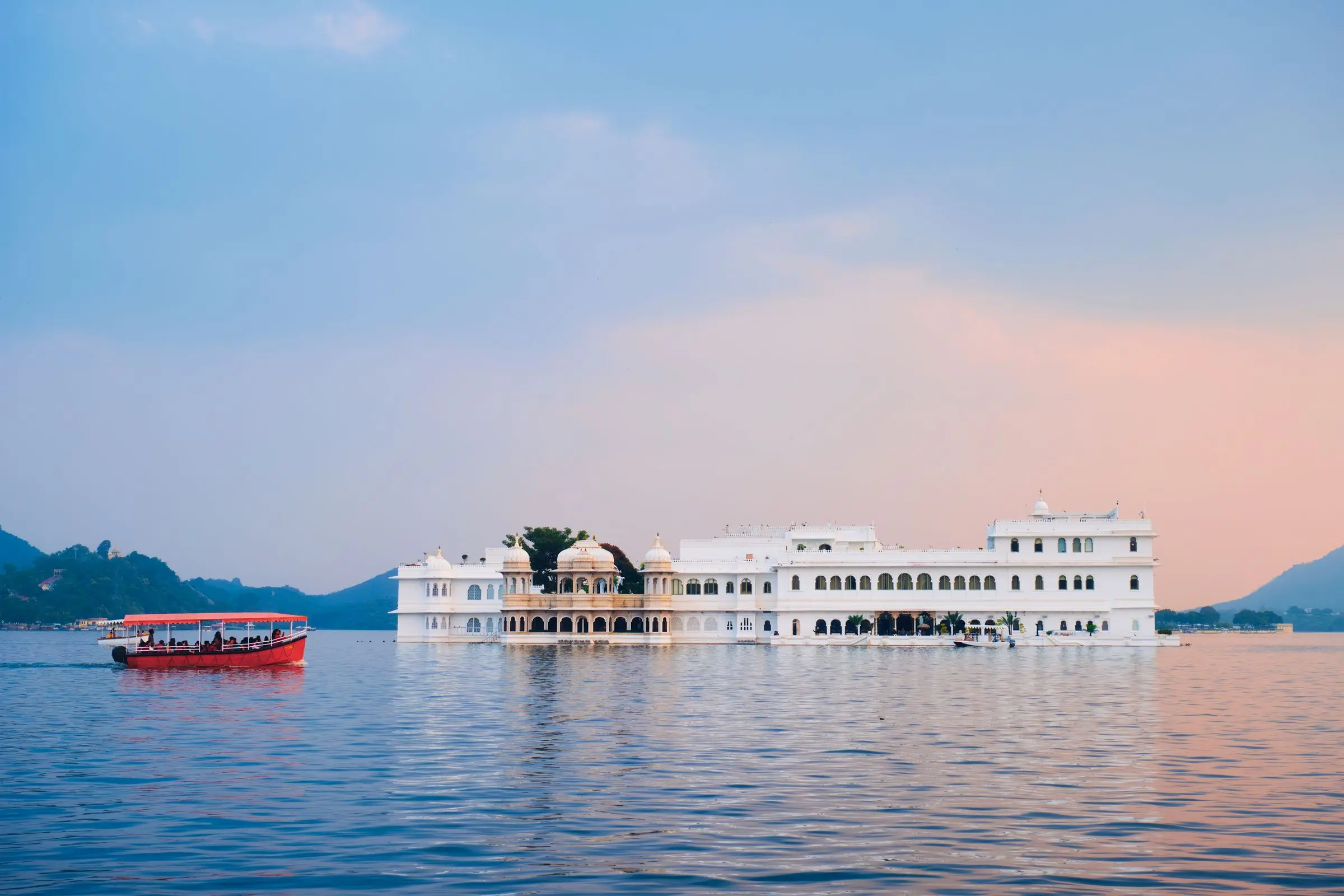
The City of Lakes and the old capital of Mewar. The City Palace rises above Lake Pichola, and a boat at sunset past Jag Mandir is the classic way to see it.
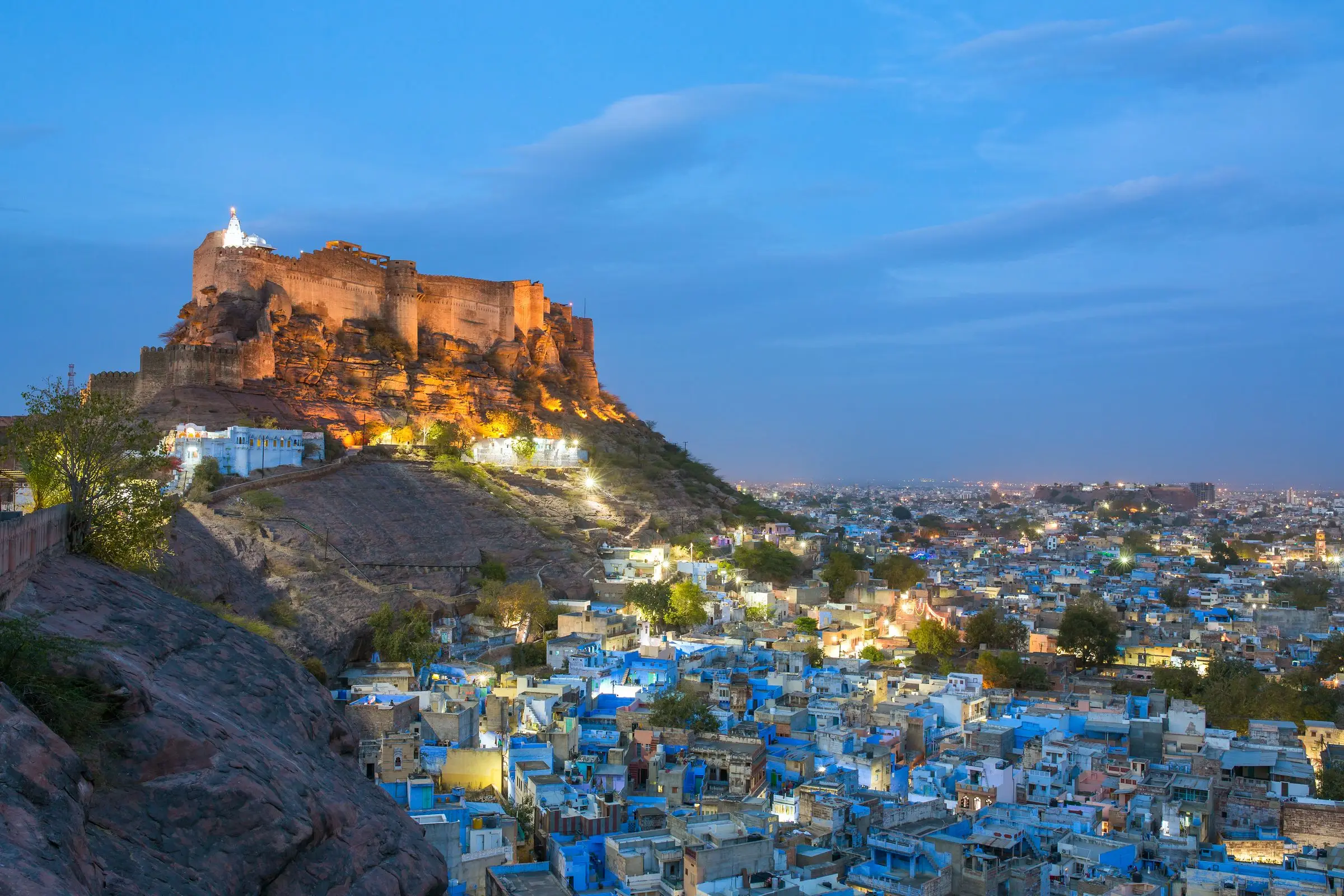
The Blue City, beneath Mehrangarh, one of India's largest forts, with one of its best museums. Umaid Bhawan Palace and the clock tower market below.
The Golden City in the Thar desert. Its sandstone fort, founded in 1156, is still lived in. Carved havelis in town, then the dunes for a camel ride and a night under the stars.
Two of the six hill forts listed together by UNESCO. Chittorgarh is the great symbol of Rajput courage; Kumbhalgarh's 36 km wall winds over the Aravalli hills.
Pushkar's holy lake and its rare temple to Lord Brahma, and in Ajmer, the Dargah of Khwaja Moinuddin Chishti, a Sufi shrine visited by people of every faith.
Rajasthan's only hill station, home to the Dilwara Jain temples and some of the finest marble carving in India.
Small towns such as Mandawa and Nawalgarh, whose merchant havelis are covered in painted murals: an open-air gallery few visitors reach.
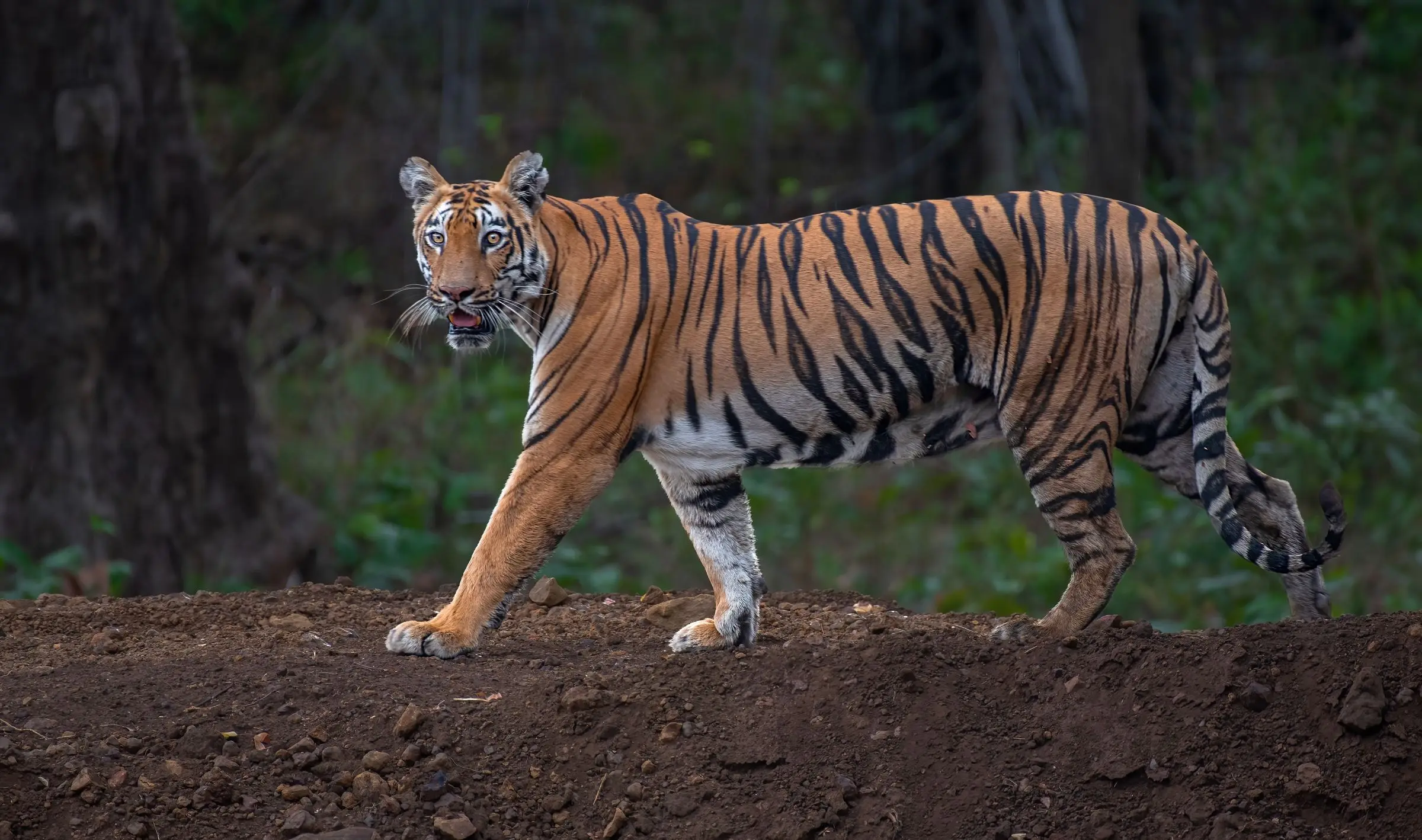
Tigers at Ranthambore, often seen in daylight among the ruins of its fort; leopards around the granite hills of Jawai; and the birds of Keoladeo at Bharatpur, a UNESCO-listed wetland. In winter, thousands of demoiselle cranes gather at Khichan village.
At the table
Baked wheat balls dipped in ghee, with lentils and sweet crushed wheat. The state's signature meal.
Gram-flour dumplings in a spiced yoghurt gravy.
A desert dish of dried berries and beans.
A fiery red mutton curry made with Mathania chillies.
The spicy snacks of Jodhpur and Jaipur.
Rich festival sweets; ghevar belongs to the monsoon festival of Teej.
What you will see
Timing
October to March, without much argument. The desert is comfortable, the light is at its best and the forts are bearable to walk. April to June is genuinely punishing heat, and while the monsoon is not heavy here it makes the landscape green rather than golden.
Jan
23-8 degrees Celsius, typical high and low
Ideal
Cool, bright and clear. Early mornings are properly cold in the desert, so pack layers.
Feb
26-11 degrees Celsius, typical high and low
Ideal
Arguably the best month. Warm days, cool nights, everything open.
Mar
32-16 degrees Celsius, typical high and low
Ideal
Warming quickly but still very comfortable. Holi falls in this window.
Apr
37-21 degrees Celsius, typical high and low
Good
Hot by afternoon. Workable with early starts and a pool, harder with young children or elderly parents.
May
41-26 degrees Celsius, typical high and low
Best avoided
Severe heat, regularly over 43C. Not a heritage-walking month.
Jun
40-27 degrees Celsius, typical high and low
Best avoided
Still very hot, now humid as the monsoon approaches.
Jul
34-26 degrees Celsius, typical high and low
Best avoided
Monsoon. Cooler than June but humid, with rain interrupting sightseeing.
Aug
33-25 degrees Celsius, typical high and low
Best avoided
Wettest month. The countryside is green, which is unusual and photogenic, but plans slip.
Sep
34-24 degrees Celsius, typical high and low
Good
Rain easing. Fewer visitors and better rates, with some risk of late showers.
Oct
34-19 degrees Celsius, typical high and low
Ideal
The season opens. Clear skies, the landscape still green from the monsoon.
Nov
29-13 degrees Celsius, typical high and low
Ideal
Excellent, and busy. Diwali and Pushkar both fall around here, so book early.
Dec
24-9 degrees Celsius, typical high and low
Ideal
Cool and clear. Peak season pricing, and desert nights are genuinely cold.
Usually November, around the Kartik full moon
Thousands of camels, horses and traders on the dunes outside Pushkar, alongside one of the most important pilgrimage bathing days of the year. Extraordinary, and the single hardest week in Rajasthan for accommodation - if this matters to you, tell us nine to twelve months out.
Late October or early November
Rajasthan's cities put lamps along every parapet and haveli facade, and Udaipur and Jaipur are remarkable for it. Expect closures on the main day itself, higher prices either side, and fireworks late into the night, which is worth knowing if anyone in the party is a light sleeper or travelling with a nervous pet at home.
Festival timings shift each year with the lunar calendar, so we have not published dates that would be out of date by the time you read them. See the full calendar for Rajasthan, or tell us the year and we will confirm the dates for you.
Good to know
Journeys
Delhi, Agra and Jaipur
Heritage · First visit
7 nights
Delhi, Agra and Rajasthan
Heritage · Palaces
11 nights
Rajasthan
Wildlife · Palaces
11 nights
Rajasthan
Palaces · Lakes
3 nights
Tell us about your family and what this trip means to you.